Knowing El Niño is coming is not the same as being prepared
September 28, 2026
A school internet connection becomes a village business
September 28, 2026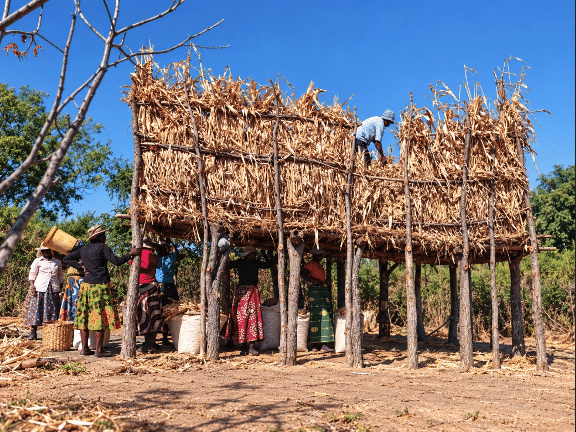
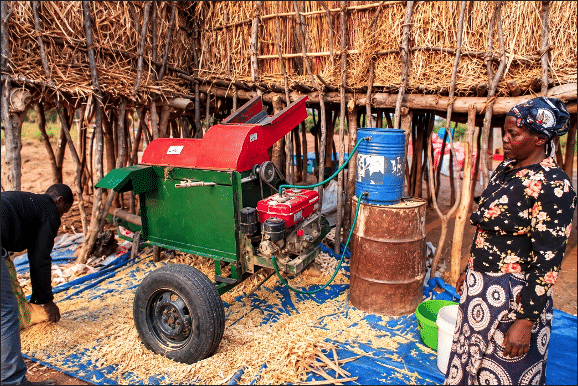
Protecting the harvest: Safe grain storage is not just about preserving food — it also helps households reduce losses, hold grain for longer and keep more choice over when and how they sell.
Producing a good crop is only half the job. APT’s 2026 Learning Study found that 57% of surveyed households had experienced post-harvest losses, with pests and rodents the leading cause. Losses were also linked to moisture, livestock damage, delayed threshing and poor storage.
That matters even more when households need to hold grain for longer. Sorghum is both a food reserve and a source of cash, and farmers may choose to sell gradually as needs arise. If grain cannot be stored safely, households can lose food, lose income and lose the option of waiting for a better market. The August report therefore identifies protecting retained grain as an immediate priority ahead of the 2026/27 season.
For APT, the lesson is that resilience is not only about producing more. It is also about protecting what has already been produced. Better drying, storage hygiene, timely threshing and access to effective grain protectants may be less visible than a new production technology, but they can be just as important to household food security and market choices.