Why storage may matter as much as production
September 28, 2026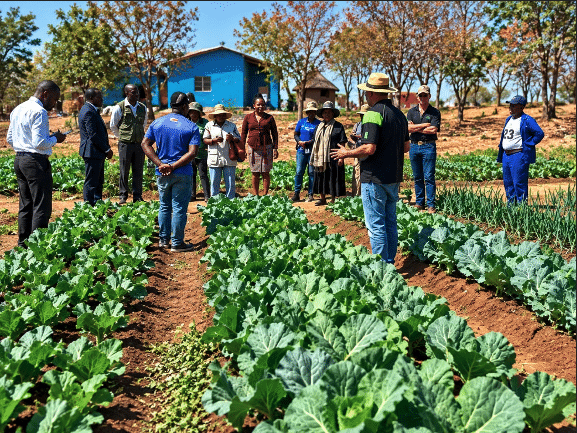
From connectivity to food: The Kapanda school community shows visitors the vegetable garden, where produce helps feed pupils and where some surplus income from Wi‑Fi voucher sales is being reinvested.
At Kapanda Primary School, internet access is being tested not simply as a service for the school, but as a small community business. SFSP financed the initial infrastructure, while the operating model relies on the sale of Wi-Fi vouchers to cover the monthly Starlink subscription and other running costs.
In August, 30 people used the service, including eight repeat users. The school sold 42 one-week vouchers at USD 1 each, generating USD 42 against a monthly subscription cost of USD 36. That is encouraging, although the balance should not yet be treated as pure profit: maintenance, repairs and other operating costs also have to be covered if the service is to remain genuinely self-financing.
What makes the model particularly interesting is what happens when the service generates a surplus. Kapanda is investing some of the proceeds from voucher sales in its school vegetable garden, whose produce helps feed pupils. At the same time, nearby businesses can use the connection to communicate with suppliers in Harare and Mount Darwin. The experiment is therefore about more than getting a school online: it is testing whether a piece of digital infrastructure can sustain itself while generating wider benefits for the community.
For APT, that is the real test of the business model — not simply whether the internet works, but whether local demand can keep it working and create value beyond the connection itself.