

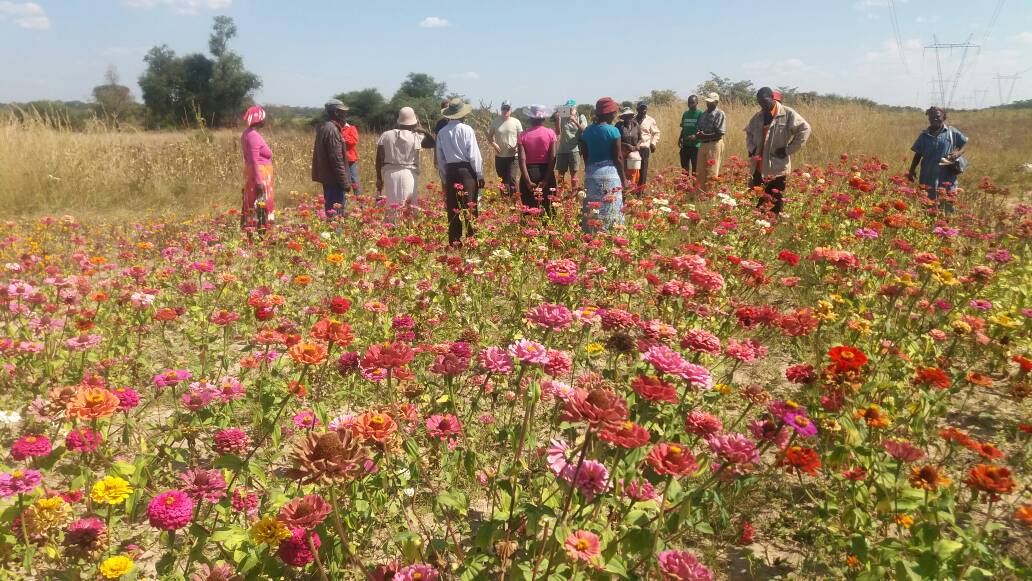

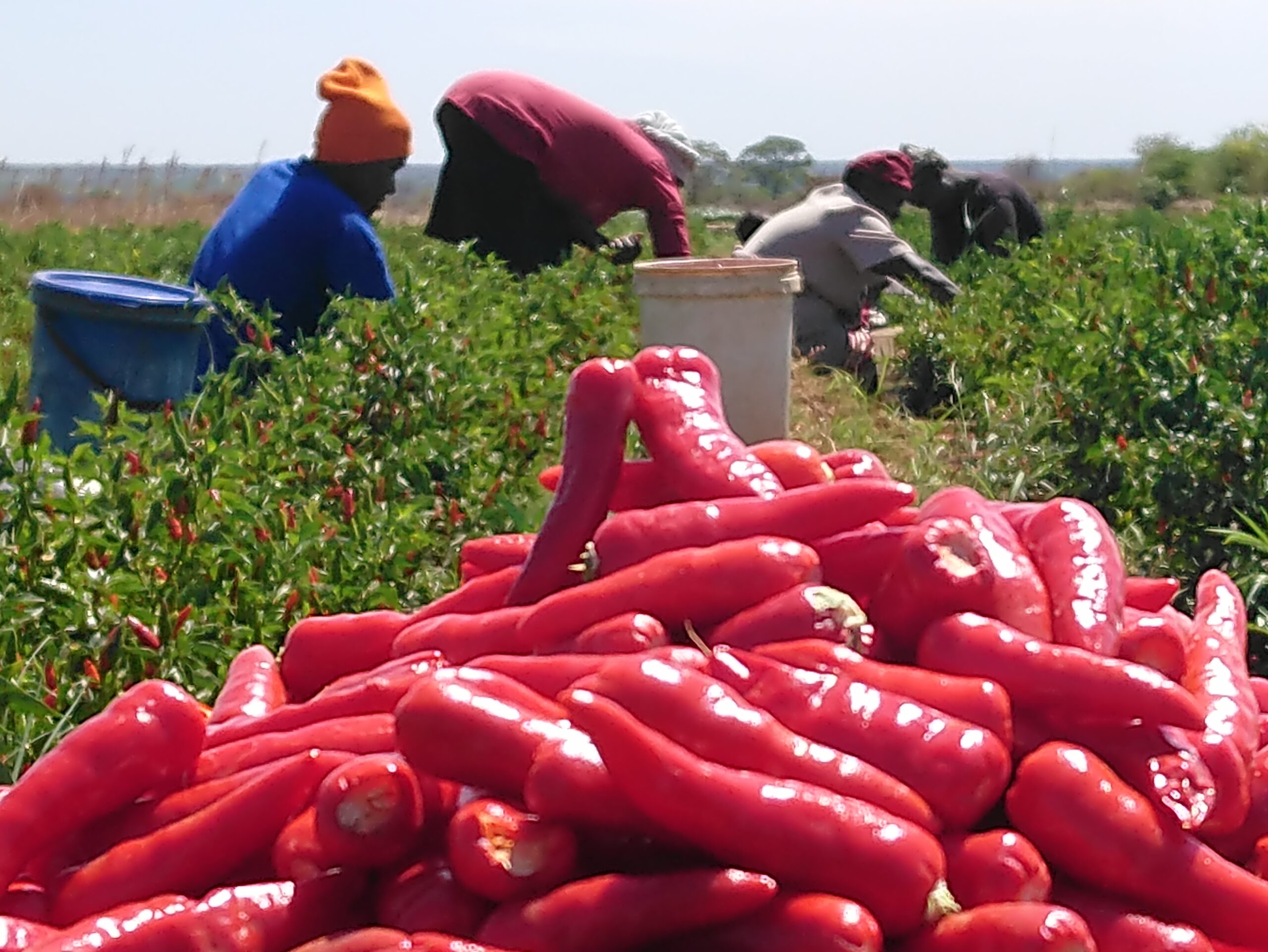
How We Create Pathways Out of Poverty
Smallholder farmers face poverty not because they lack effort or knowledge, but because the systems around them do not work in their favour. Weak markets, limited access to finance, climate shocks, and fragmented services combine to trap rural households in cycles of vulnerability.
Agricultural Partnerships for Transformation works at this systems level. We support smallholder farmers to build resilient livelihoods by strengthening agroecological production, connecting farmers to inclusive markets, and enabling locally rooted enterprises to provide the services farmers need. Our work focuses on long-term change rather than short-term relief, ensuring that farmers can earn dignified incomes while restoring natural resources and strengthening rural economies.
We do this in partnership with farmers, private sector actors, research institutions, and development partners, aligning incentives so that solutions endure beyond individual projects.
Our Approach in Practice
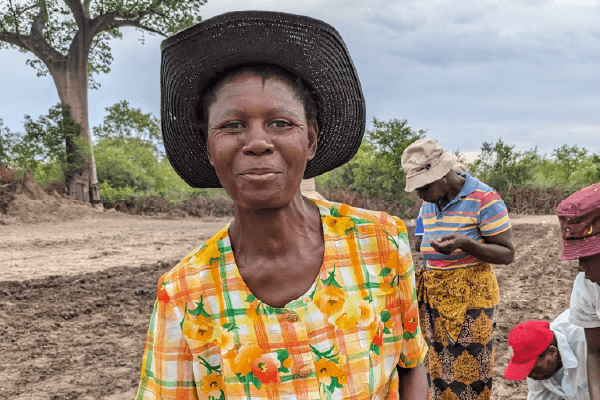
OUR APPROACH
Strengthening Agroecological Farming Systems
Supporting farming systems that restore soils, strengthen biodiversity, and reduce risk.
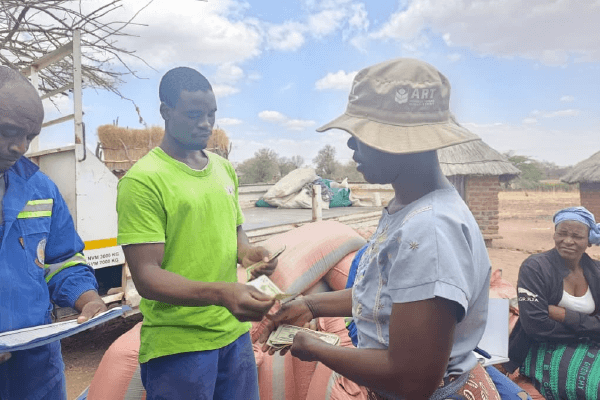
OUR APPROACH
Inclusive Markets and Finance
Linking farmers to fair, reliable markets and locally appropriate financial services.
OUR APPROACH
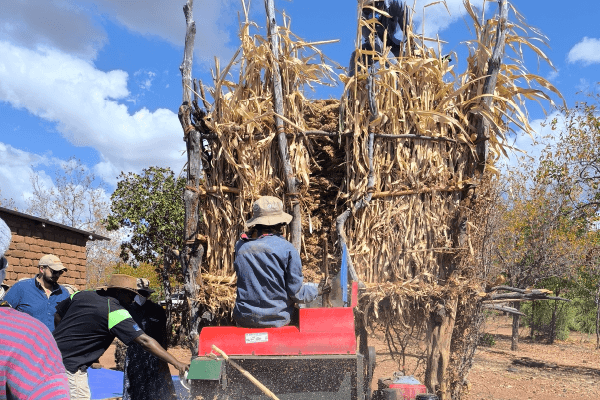
Enterprise and Systems Change
Building sustainable local enterprises and market systems that continue to function without subsidy.
Past and Current Programmes
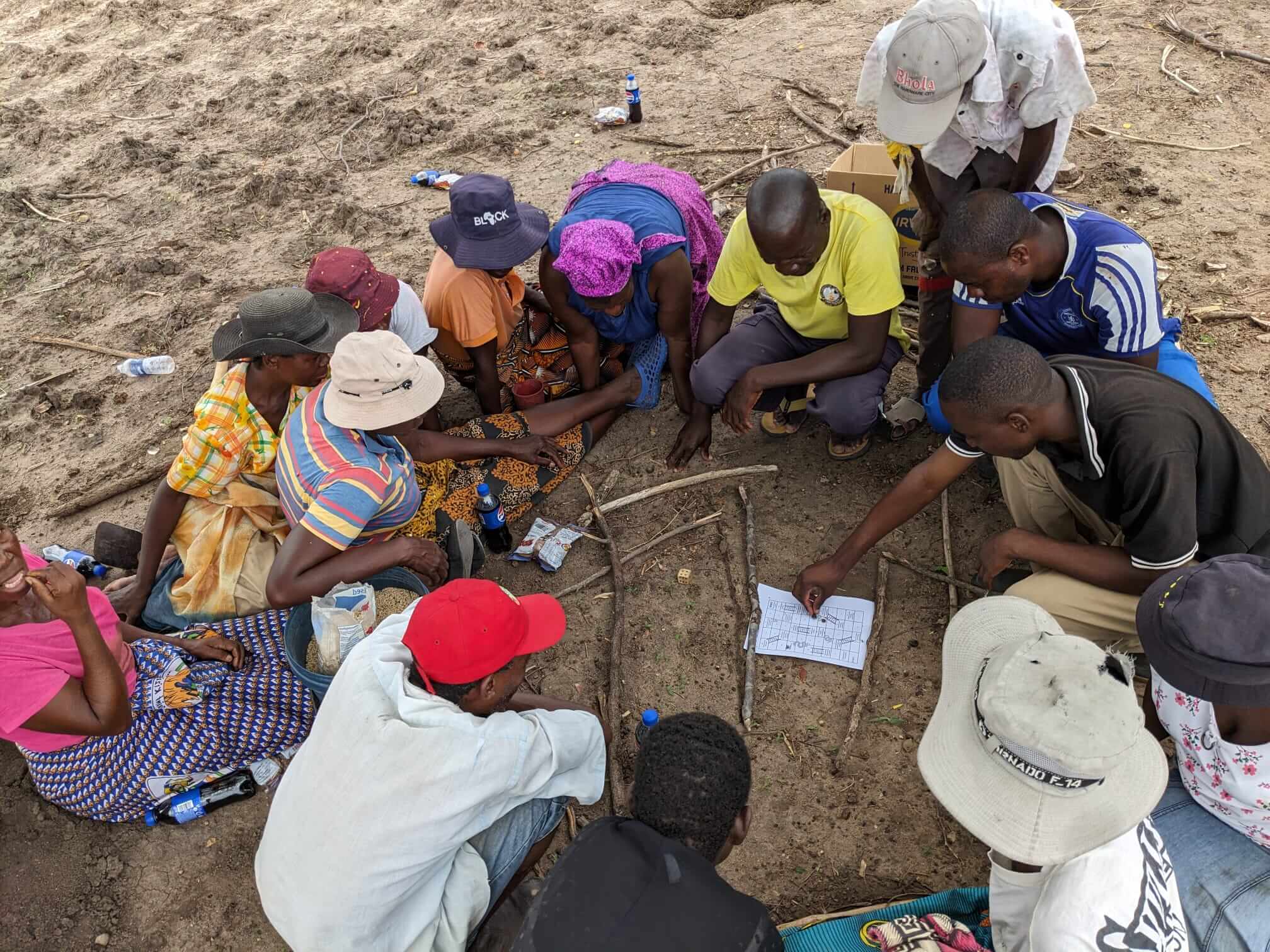
Sustainable Farming Systems Programme (SFSP)
Status: Ongoing
Implementation start: Late 2023
Current reporting: Through October 2025
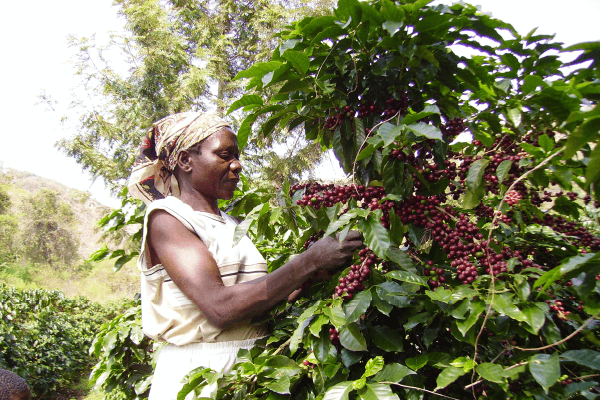
Smallholder Market Development Programme (SMDP)
Period: August 2010 – October 2012
Geographic coverage: 15 districts
Programme focus: Private-sector-led contract farming systems
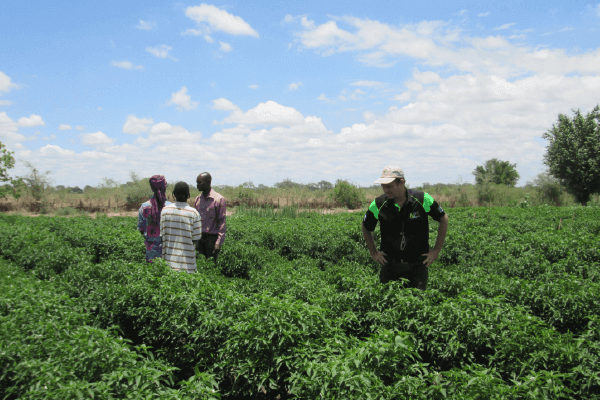
SIMBA Programme
Period: December 2013 – November 2017
Location: Gokwe South District
Funding: European Union
Partner: Welthungerhilfe
Livelihoods and Food Security Programme (LFSP)
Period: 2014 – 2020
Geographic coverage: 10 districts
Programme value: USD 4.2 million
APT budget: USD 1.29 million
Prime implementer: Palladium (APT subcontracted)
We started with savings — now we have a business, a market, and a future.
Our Impact at a Glance
Over more than a decade, Agricultural Partnerships for Transformation has worked at scale with farmers, markets, and partners to deliver lasting improvements in rural livelihoods across Zimbabwe. Today, our work is focused in selected learning and implementation areas.
Impact Metrics
70,000+
Smallholder farmers supported through market-based and agroecological programes
80+
Private sector, research, and development partners engaged
150+
Inclusive market actors and rural enterprises strengthened
10+ yrs
Experience delivering complex, donor-funded programes at scale
Our work spans multiple value chains, agroecological zones, and delivery models — from contract farming and inclusive agribusiness to regenerative agriculture, enterprise development, and market systems facilitation. Across all our programmes, the focus is the same: enabling smallholder farmers to earn dignified incomes through systems that endure beyond individual projects.
Why Partner with APT
Agricultural Partnerships for Transformation brings a rare combination of deep field experience, technical rigour, and systems-level thinking. We work alongside farmers and partners to design solutions that are practical, scalable, and grounded in local realities.
Our role is not to replace markets, institutions, or enterprises, but to make them work better for smallholder farmers. By aligning incentives across farmers, private sector actors, research institutions, and development partners, we help ensure that change is sustained beyond individual projects or funding cycles.
APT has a strong track record of delivering complex, donor-funded programmes, meeting rigorous accountability requirements, and adapting to challenging operating environments. Partners value our ability to translate strategy into results on the ground.
Systems-Based Approach
Accountable and transparent
Proven Programme Delivery
Local Knowledge and Partnerships
APT works with partners who share a commitment to dignity, learning, and lasting systems change.
