A school internet connection becomes a village business
September 28, 2026
Hay made in May, fed in September
November 2, 2026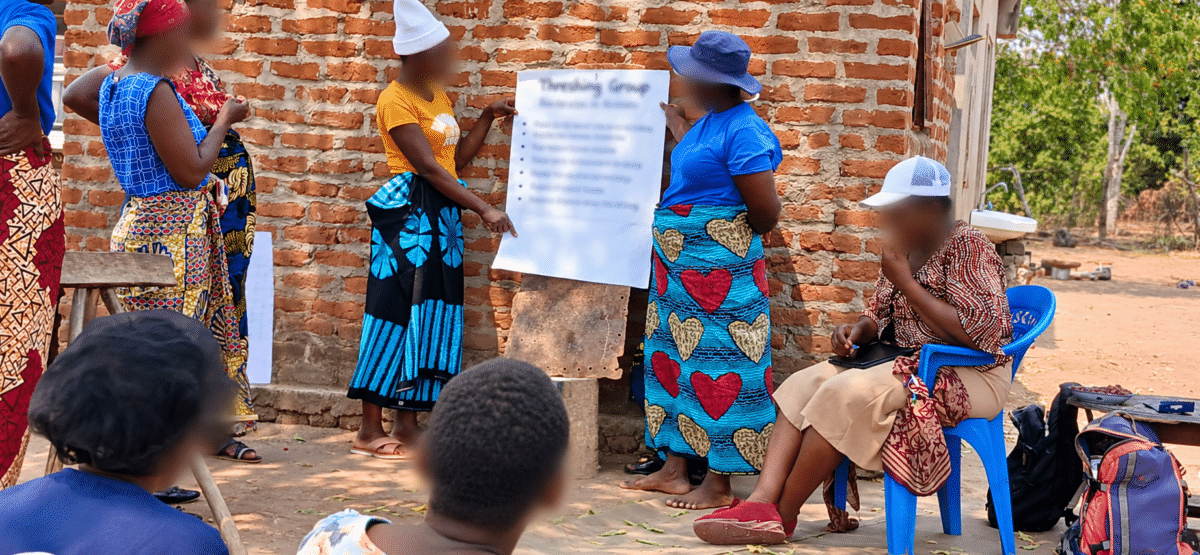
Planning beyond the season: A threshing group reviews its performance and discusses how income from the business can be used for household needs and future investment.
Four village threshing businesses in Mount Darwin processed 434 tonnes of sorghum between June and September 2026, earning 43.4 tonnes of grain as payment. But as the threshing season came to an end, another important question emerged: what should the groups do with the grain they had earned?
The groups made different choices. Raramo, in Ward 2, allocated 12 of its 14.6 tonnes to members, retaining the balance for business development. It also reinvested proceeds from grain sales through its savings and lending scheme. Ebenezer, in Ward 33, distributed 3.4 tonnes to members for household food security but retained five tonnes for future marketing. The group plans to use the proceeds to purchase agricultural inputs, replace its threshing engine and strengthen its savings fund. Both groups had maintained separate funds to cover operating costs, avoiding the need to sell grain to meet these expenses.
These end-of-season decisions show that the significance of a village business is not captured by throughput or profit alone. The grain earned through threshing was being used in different ways: to support household food security, to finance the next production cycle and to strengthen the business itself. For APT, this adds an important dimension to how enterprise performance is understood and followed over time.