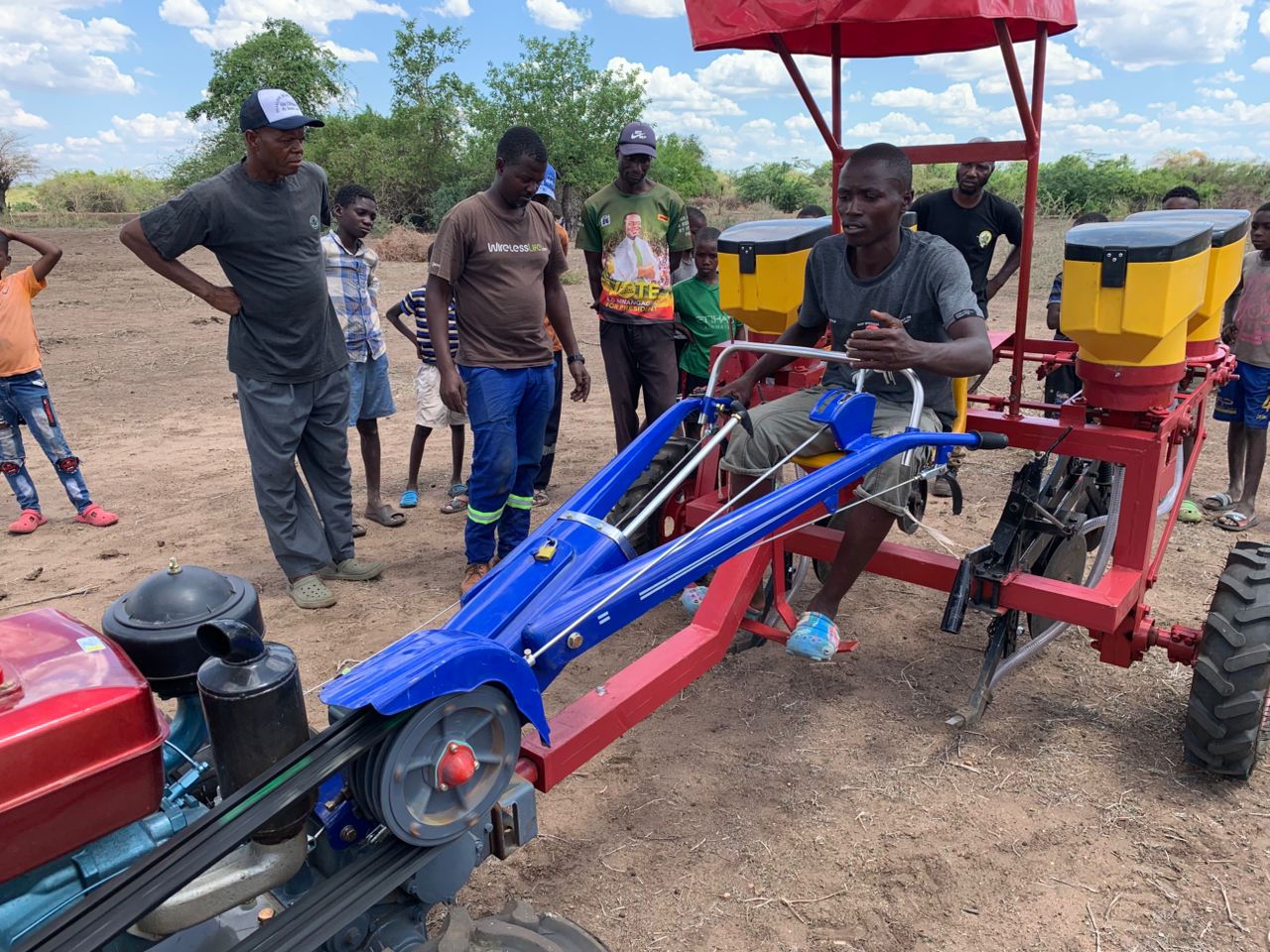
Fifteen years of learning, scale, and system-level change
Over more than fifteen years, Agricultural Partnerships for Transformation has worked across Zimbabwe to improve smallholder livelihoods by strengthening markets, enterprises, and farming systems. While our approaches have evolved, our purpose has remained constant: ensuring that no smallholder farmer suffers the indignity of poverty.
APT’s impact reflects both:
- The scale and reach of earlier contract farming and market development programmes, and
- The depth and learning emerging from our current agroecological work under the Sustainable Farming Systems Programme (SFSP).
Impact at a Glance
Across APT-supported programmes since 2010:
- 50,000+ smallholder farmers engaged through open markets, contract farming, and enterprise-linked systems
- Multiple national and local private-sector partners supported across diverse value chains
- Dozens of districts reached across Zimbabwe, with long-term engagement in several of them
- Hundreds of rural enterprises and market actors supported or facilitated
- More than a decade of continuous programme delivery, learning, and adaptation
These figures reflect cumulative engagement across APT’s programme portfolio.
Impact Through Earlier Programes
APT’s earlier programmes focused on strengthening private-sector-led contract farming and inclusive market systems, working at scale across multiple districts.
What this achieved
- Improved access to inputs, services, and markets for tens of thousands of farmers
- Strengthened contract farming models across multiple commodities and value chains
- Increased farmer participation in export and domestic markets
- Generated practical learning on risk, incentives, and inclusivity in contract farming systems
Programmes such as SMDP and SIMBA demonstrated that well-designed and properly monitored market systems can deliver meaningful benefits to smallholder farmers, while also highlighting the limitations of purely transactional approaches.
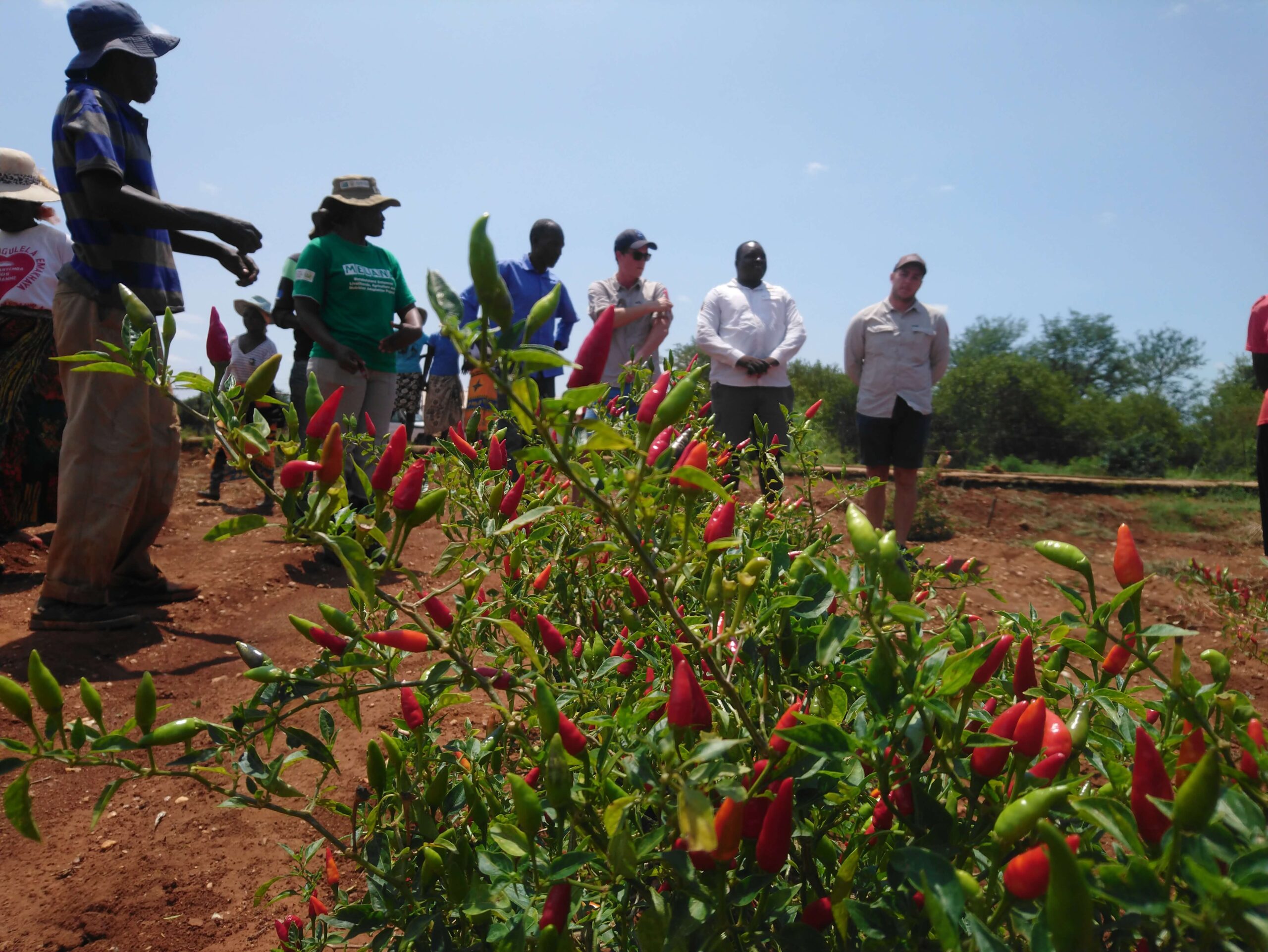
Impact Through Market Development and Enterprise Support
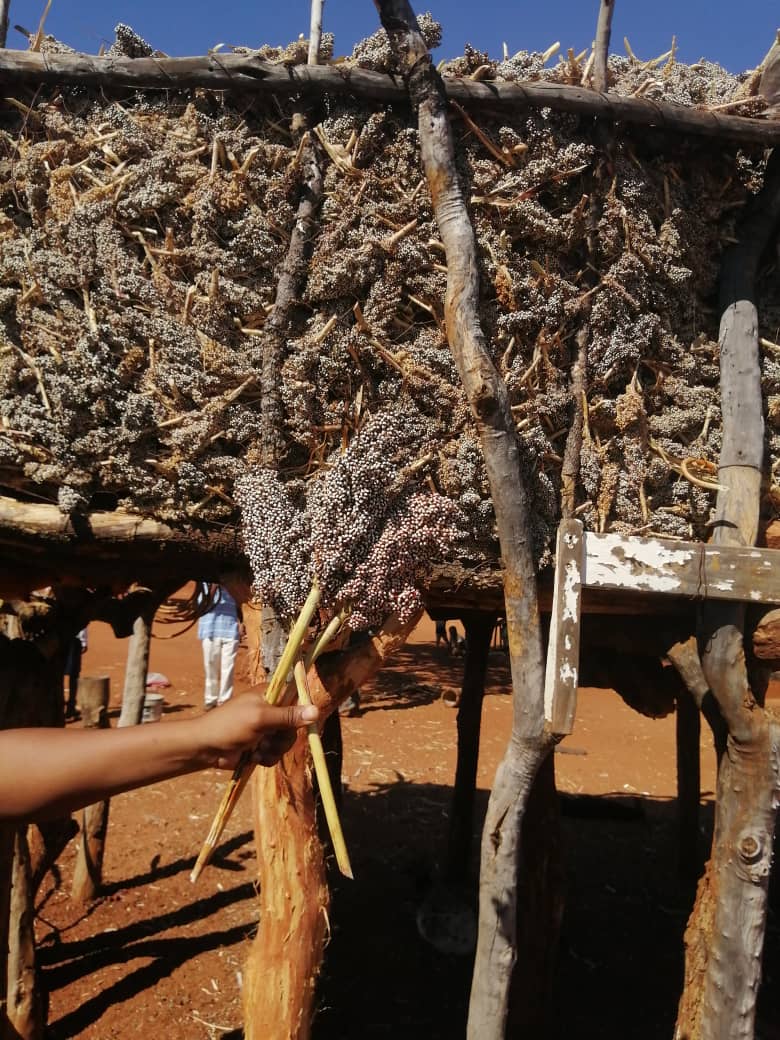
APT’s current work under SFSP applies an explicit agroecological framework to support resilient livelihoods, restored natural resources, and dignified incomes. This work is active and ongoing.
Early outcomes and learning to date
- Operationalisation of the Agroecological Transition Strategy (ATS) as a structured pathway for change
- Active agroecology champions supporting farmer learning and practice at community level
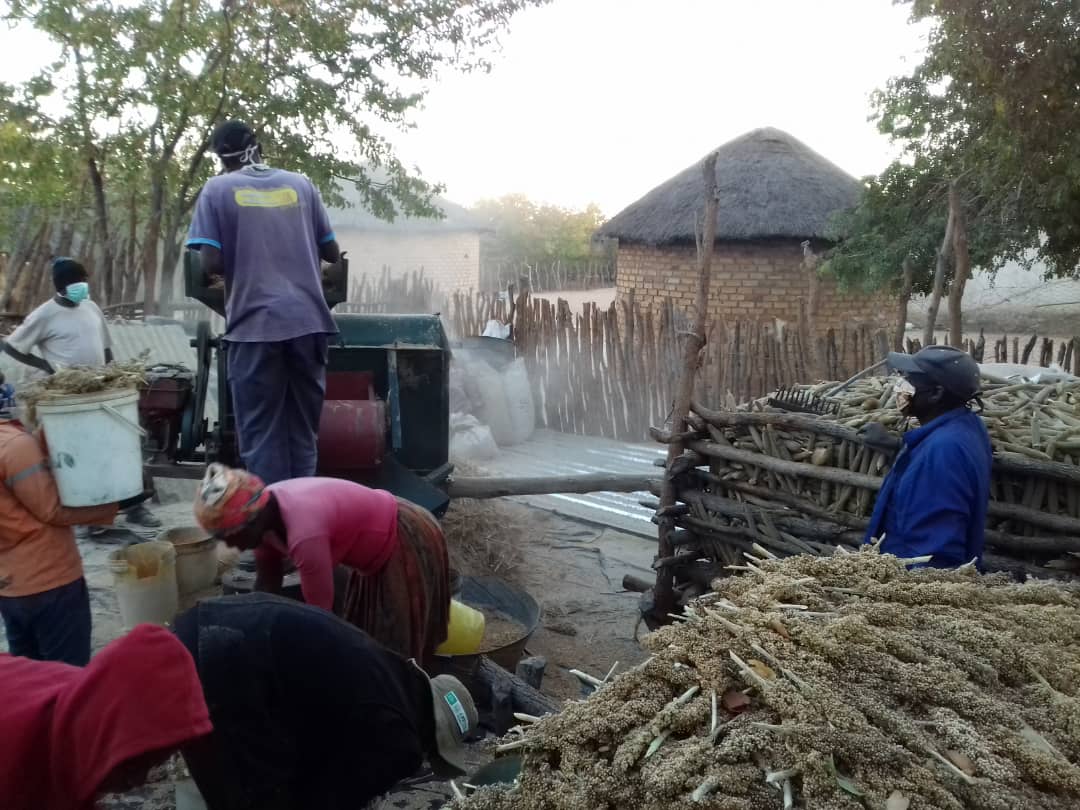
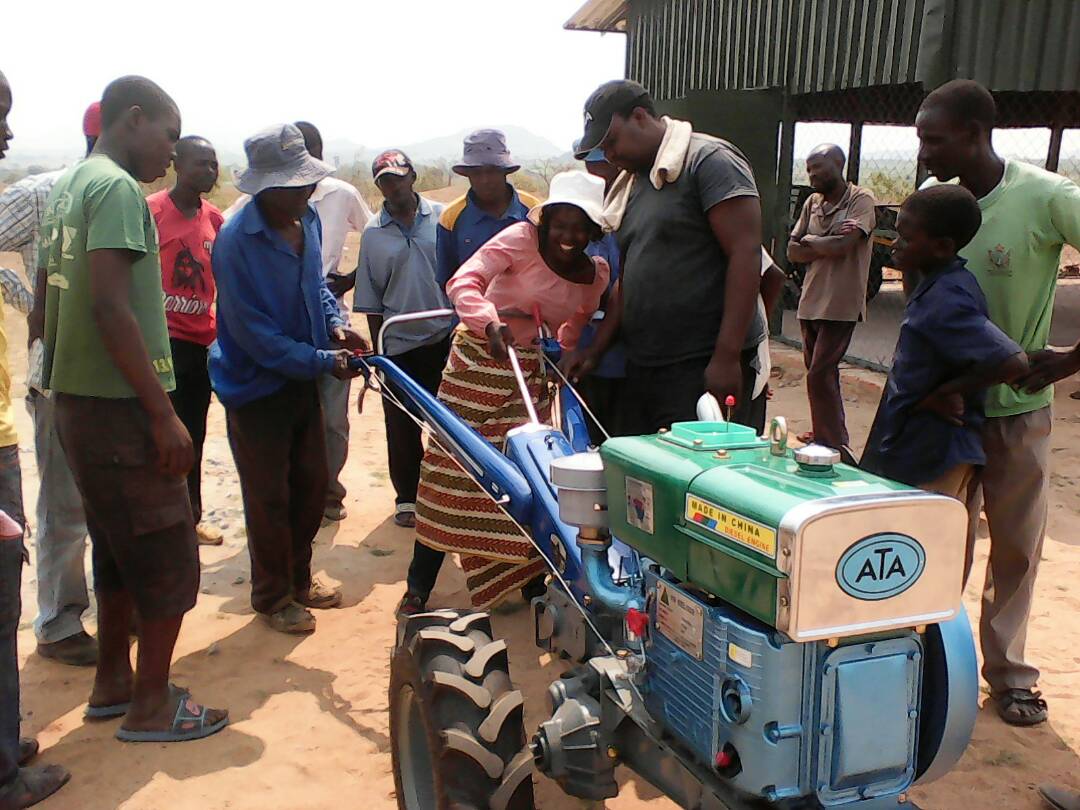
- Establishment of enterprise-led service models, including mechanisation, threshing, livestock, and feed-related services
- Demonstrated income generation from enterprise and livestock marketing activities
- Integration of gender-aware processes through the Gender Action Learning System (GALS)
- Strengthened collaboration with district and national institutions
While SFSP is still in its learning phase, early results indicate progress toward more resilient, locally owned systems.
What Impact Means at APT
For APT, impact is not measured only by short-term outputs. It is understood as:
- Improved dignity and agency for smallholder farmers
- Systems that continue to function beyond individual projects
- Learning that informs better design and scale
- Resilience in the face of climate, market, and institutional shocks
This understanding of impact guides both how APT works and how it measures success.