A portfolio shaped by scale, learning, and evolution
Since 2010, Agricultural Partnerships for Transformation has implemented programmes across Zimbabwe that reflect both national reach and long-term engagement in specific districts. Several districts have featured in multiple programmes over time, as APT’s work evolved from early contract farming support, to market development, and more recently to explicit agroecological systems work.
This sequencing reflects learning and deepening engagement, rather than duplication. Mount Darwin, for example, featured in early contract farming initiatives under SMDP, later market development work under LFSP, and now serves as a focal learning site under the Sustainable Farming Systems Programme (SFSP).
Interpreting The Programme Map
The map above illustrates APT’s programme footprint across Zimbabwe over time. Different colours represent different programmes, and in several districts these colours overlap. This is intentional. Some districts have been engaged through multiple programmes at different points, reflecting a process of learning, adaptation, and deepening engagement rather than isolated, one-off interventions.
For example, Mount Darwin initially featured in early contract farming work under the Smallholder Market Development Programme (SMDP), was later part of broader market development efforts under LFSP, and is now a focal learning site under the Sustainable Farming Systems Programme (SFSP). Similar patterns of sequencing and overlap occur in other districts. The map therefore reflects both geographic reach and programme evolution, showing how APT has built experience over time within the same agricultural systems.
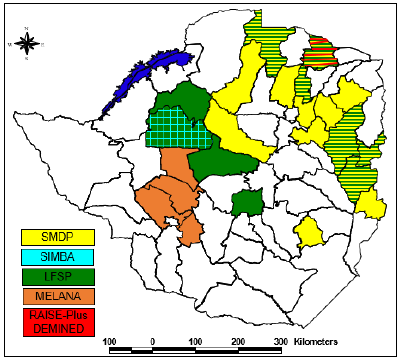
APT Programme Footprint Across Zimbabwe (2010 - Present)
Colours indicate different programmes. Overlapping colours show districts engaged through multiple programmes over time, reflecting learning, continuity, and evolving approaches.
Sustainable Farming Systems Programme (SFSP)
Status: Ongoing
Implementation start: Late 2023
Current reporting: Through October 2025
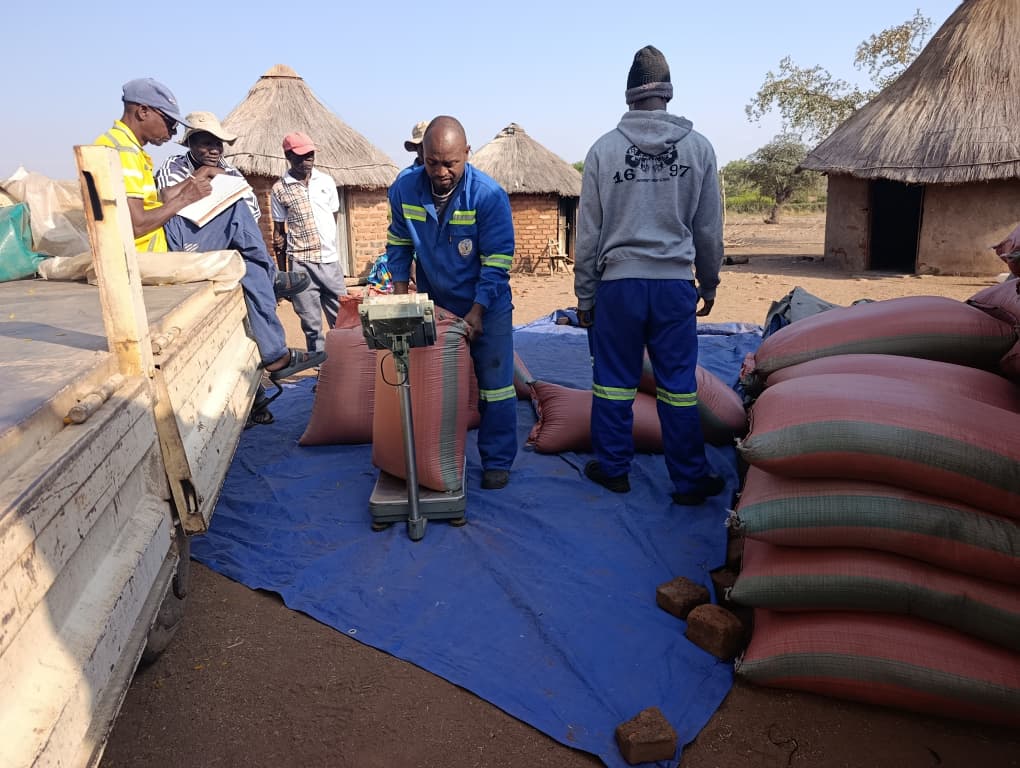
The Sustainable Farming Systems Programme is APT’s current and actively implemented programme framework. SFSP supports smallholder households to transition toward resilient, low-input farming and enterprise systems, integrating agroecological practice, market development, enterprise facilitation, and gender-aware processes.
SFSP is implemented through overlapping funding windows, including:
- DEMINED: September 2023 – August 2025
- HALO Trust grant window: January 2024 – May 2025
- Continued implementation reflected in monthly and donor reporting through October 2025
Geographic focus
SFSP’s core learning footprint is in Mount Darwin District (Dande Valley), implemented across multiple wards and linked to district, provincial, and national stakeholders.
RAISE-Plus
RAISE-Plus is the SFSP sub-programme under which APT developed its flagship product, the Agroecological Transition Strategy (ATS).
RAISE-Plus focuses on:
- Supporting agroecological transition as a sequenced process over time
- Training and deployment of agroecology champions
- Establishment of demonstration plots
- Development of micro-enterprises providing market-based services
- Introduction of locally adapted livestock to improve resilience, nutrition, and incomes
Achievements to date
- Full development and rollout of a district-level Agroecological Transition Strategy (ATS), among the first of its kind in Zimbabwe
- Agroecology champions identified and active in all five project wards
- Five enterprise business plans developed (ISALs), covering livestock, mechanised tillage, grain threshing, and feed improvement
- Active enterprise operation and livestock marketing, with over USD 18,000 generated in documented sales during September–October 2025
- ATS development and application supported by the Ministry of Agriculture and Ministry of Environment at national, provincial, and district levels
DEMINED
DEMINED focuses on enterprise-led livelihood recovery and agroecological transition in challenging contexts.
Achievements to date
- Establishment and strengthening of village enterprises including grain threshing services, feed-related services, sorghum processing, goat enterprises, and dairy enterprises
- Operational agroecology demonstration and research plots (sorghum, sesame, cowpeas), with expansion planned
- Establishment of spineless cactus plots for livestock feed, with reported survival rates of 98 percent in one ward and 81 percent in another
- Launch and operationalisation of the Makomborero dairy enterprise, including a USD 20,000 investment in locally adapted dairy genetics (June 2025)
- Ongoing livestock enterprise support (goats and dairy) linked to animal health and feed systems
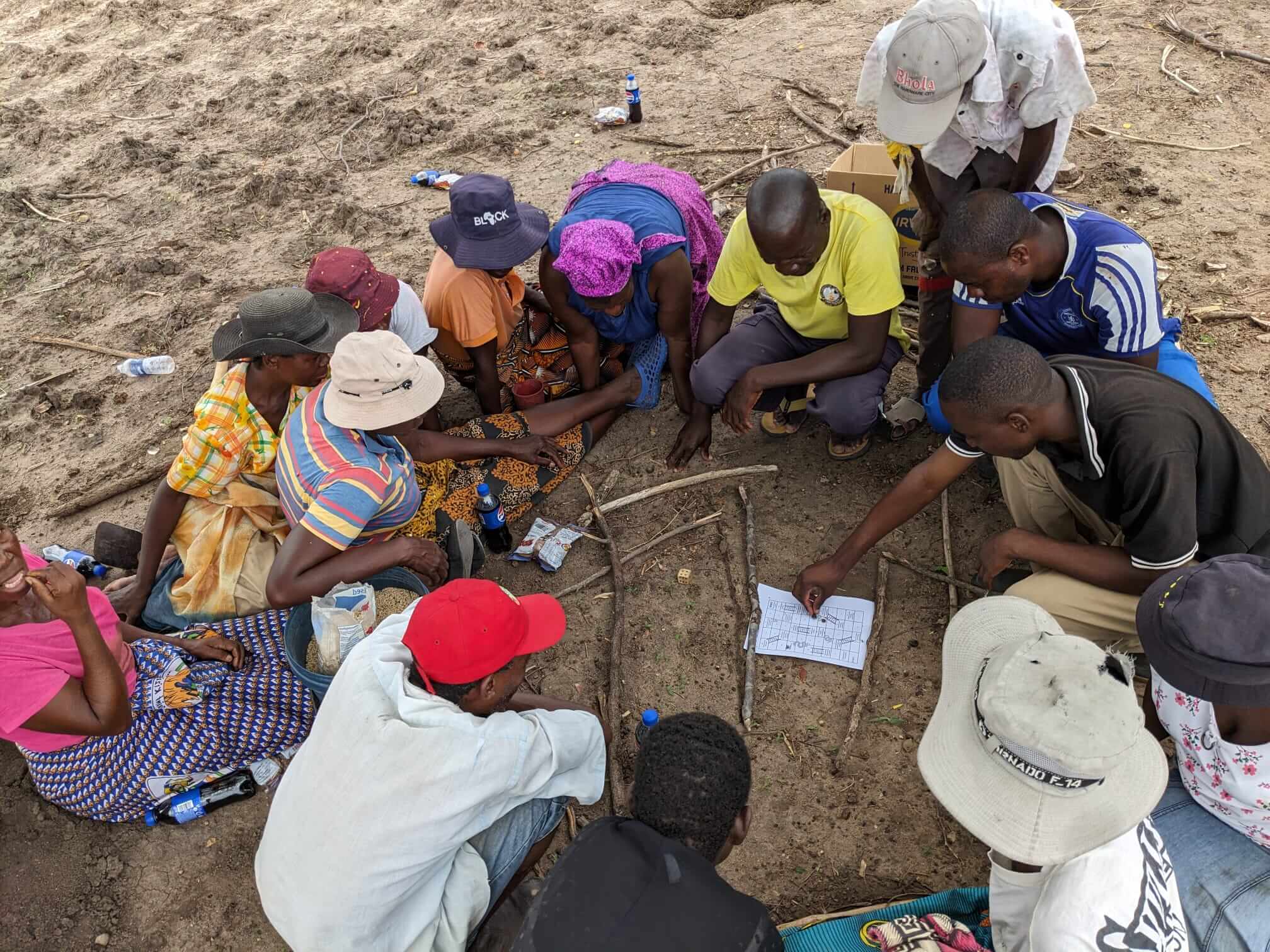
- Continued cascading of Gender Action Learning System (GALS) processes, with 76 participants reached in October 2025
Completed Programmes
COMPLETED
Smallholder Market Development Programme (SMDP)
Period: August 2010 – October 2012
Geographic coverage: 15 districts
Programme focus: Private-sector-led contract farming systems
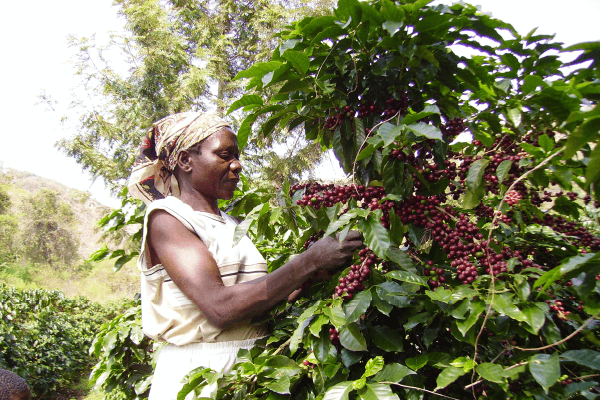
The Smallholder Market Development Programme was designed to support smallholder farmers through a market-driven approach to input provision and contract farming, working through private companies rather than delivering inputs directly.
APT screened over 30 companies, selecting 12 for participation, and developed monitoring systems to assess company performance and compliance with good contractor practice.
Scale and reach
- 10,158 farmers supported
- 4,791 hectares under contract production
- 12 commodities for export and domestic markets
- Commodities included seed crops, paprika, soya, maize, banana, bird’s eye chilli, and coffee
COMPLETED
SIMBA Programme
Period: December 2013 – November 2017
Location: Gokwe South District
Funding: European Union
Partner: Welthungerhilfe
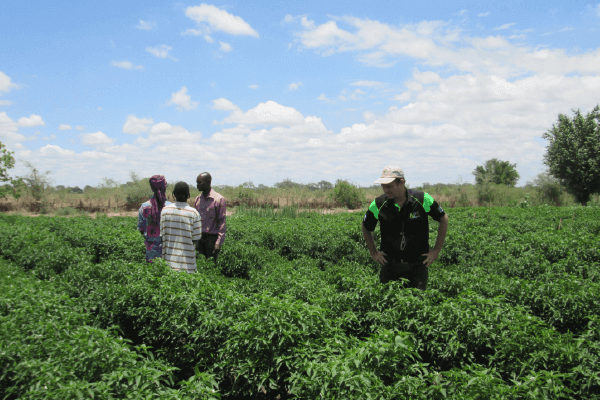
SIMBA aimed to enable smallholder farmers to diversify production, improve nutrition, and operate farming as a family business within inclusive market systems.
Scale and outcomes
- 4,475 farmers linked to markets
- 1,228 through open markets
- balance through contract farming
- Eight value chains supported
- Six horticultural and six non-horticultural businesses developed
- Farmers accessed new domestic and export markets
COMPLETED
Livelihoods and Food Security Programme – Market Development Component (LFSP)
Period: 2014 – 2020
Geographic coverage: 10 districts
(Mutare, Mutasa, Makoni, Mazowe, Mount Darwin, Guruve, Gokwe North, Gokwe South, Kwekwe, Shurugwi)
Programme value: USD 4.2 million
APT budget: USD 1.29 million
Prime implementer: Palladium (APT subcontracted)
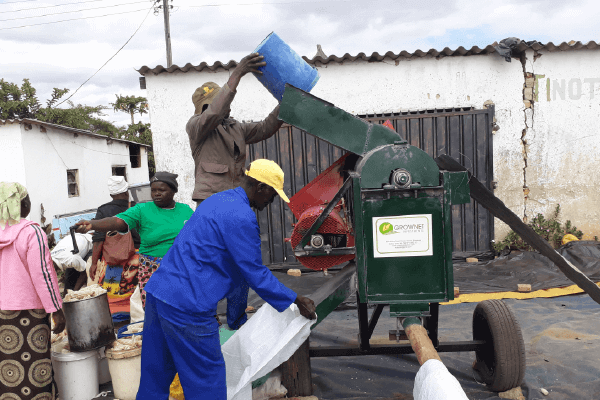
LFSP marked a major evolution in APT’s work, shifting from engagement with larger market actors toward local market actors and village-based enterprises.
Scale and outcomes
- 37,012 farmers selling through open and closed markets
- 25,012 farmers engaged via contract farming
- 153 market actors/service models facilitated
- 189 market actors supported with technical assistance
- 130+ Local Market Actors established
- 42 business linkages brokered
- 4 functional market systems strengthened
COMPLETED
Matabeleland Enhanced Livelihoods, Agriculture and Nutrition Adaptation (MELANA)
Period: 2019 – 2020 (with Crisis Modifier in 2020)
Geographic coverage: Bubi, Nkayi, Umguza, Umzingwane
Framework: Zimbabwe Resilience Building Fund
Contracting agency: UNDP
Consortium lead: Welthungerhilfe
APT budget: USD 1.55 million
MELANA focused on strengthening local markets and livelihood resilience in vulnerable contexts, particularly where larger companies withdrew.
Scale and outcomes
- 4,000+ farmers engaged in open and closed markets
- 3,000 farmers producing export chilli
- 217 farmers producing export flower seed
- 12 national market actors engaged
- 56 Local Market Actors providing services
- 13 irrigation schemes supported
36 bushmeal operators established through the Crisis Modifier
A Programme Portfolio Built Over Time
Together, these programmes demonstrate APT’s ability to:
- Operate at scale
- Learn and adapt over time
- Work across policy, markets, enterprises, and households
- Build credible pathways toward dignified livelihoods for smallholder farmers