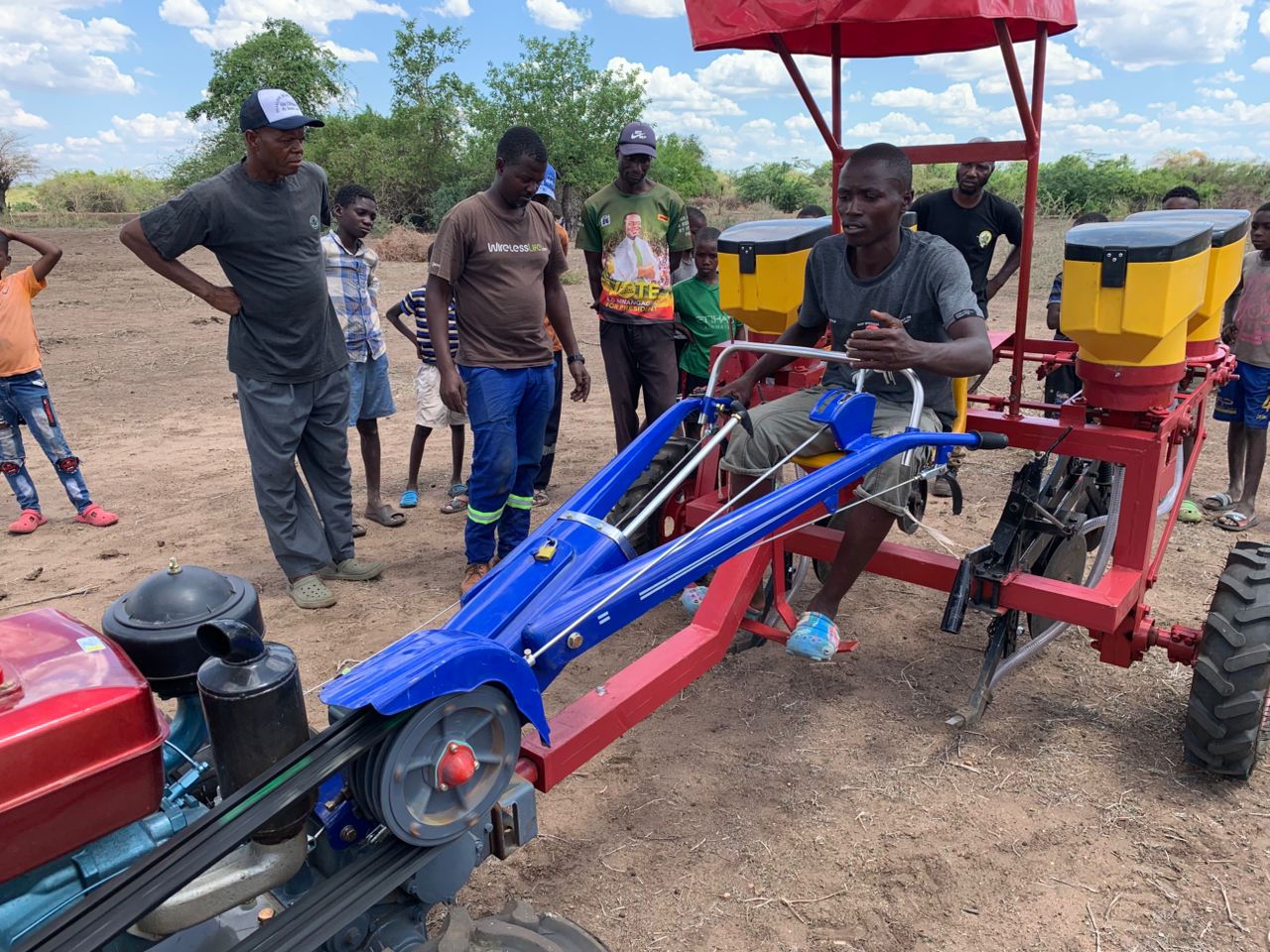
Strengthening agroecological systems through learning, practice, and scale Agricultural Partnerships for Transformation has evolved over time in response to evidence, learning, and changing context. While our earlier work focused on inclusive market development, enterprise facilitation, and resilience, our current direction reflects a deliberate and explicit commitment to agroecology as a systems-based approach to addressing rural poverty.
This shift has not replaced APT’s core mission. Rather, it represents a deepening of our approach as climate, ecological, and livelihood challenges facing smallholder farmers have intensified.
How Agroecology Became Central to APT’s Work
APT’s explicit engagement with agroecology began in 2022, through consultancy work undertaken for CIMMYT. This work exposed the organisation to formal agroecological frameworks and global evidence on sustainable farming systems, resilience, and farmer-centred transitions.
Building on this experience, APT deliberately framed new programme proposals using an agroecological lens. From late 2023, agroecology became an explicit organising framework for the design and implementation of the Sustainable Farming Systems Programme (SFSP), including the DEMINED initiative.
This marked a clear transition from earlier approaches that were compatible with agroecological principles, but not formally articulated as such.
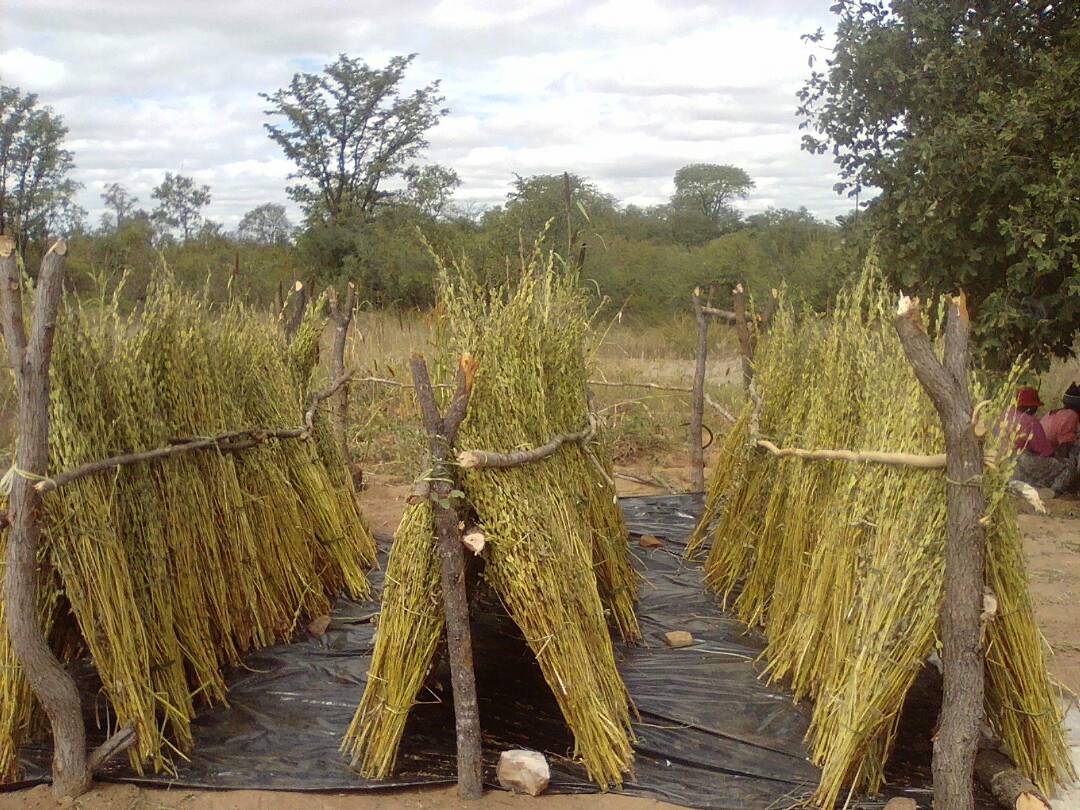
What Defines APT’s Current Approach
APT’s current work is characterised by an integrated, learning-oriented approach that brings together:
- Agroecological production systems that reduce risk and restore natural resources
- Inclusive markets and enterprises that enable farmers to earn dignified incomes
- Gender- and youth-aware approaches that strengthen agency and participation
- Continuous learning, adaptation, and reflection through practice
Agroecology now provides the lens through which APT designs interventions, assesses progress, and engages partners, while remaining grounded in practical realities and local context.
Mount Darwin as a Learning and Innovation Platform
APT’s work in Mount Darwin District, including the Dande Valley, represents a flagship learning and innovation platform for its current agroecological direction.
Through SFSP and DEMINED, APT is working with farmers, local enterprises, research institutions, and district-level stakeholders to:
- Apply agroecological principles in locally appropriate ways
- Integrate crops, livestock, enterprises, and natural resource management
- Test and refine Agroecological Transition Strategies (ATS)
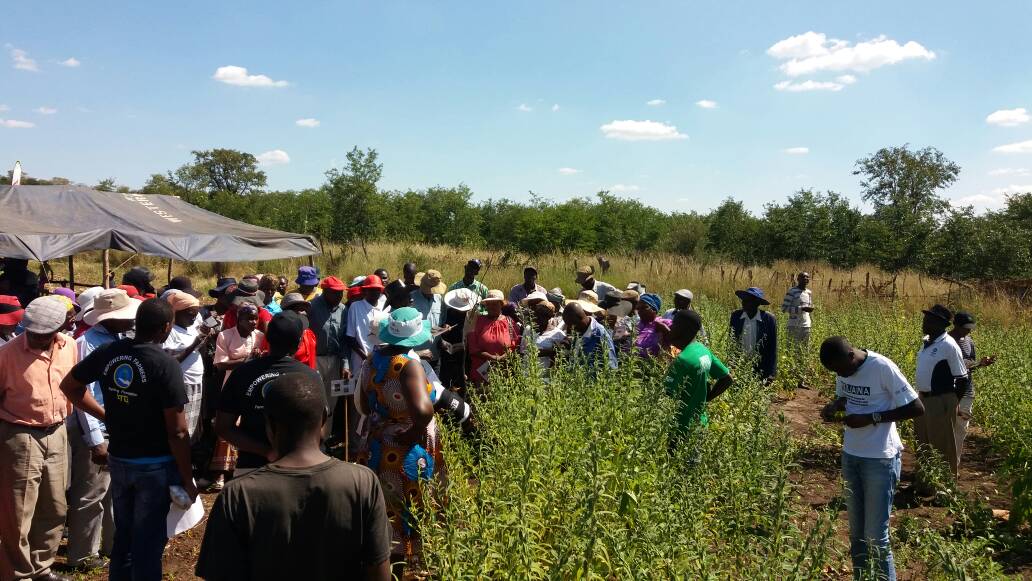
- Build the capacity of farmers and local actors through demonstration, mentoring, and peer learning
This work is intentionally iterative. Mount Darwin is not presented as a finished model, but as a space for learning-by-doing, evidence generation, and adaptation.
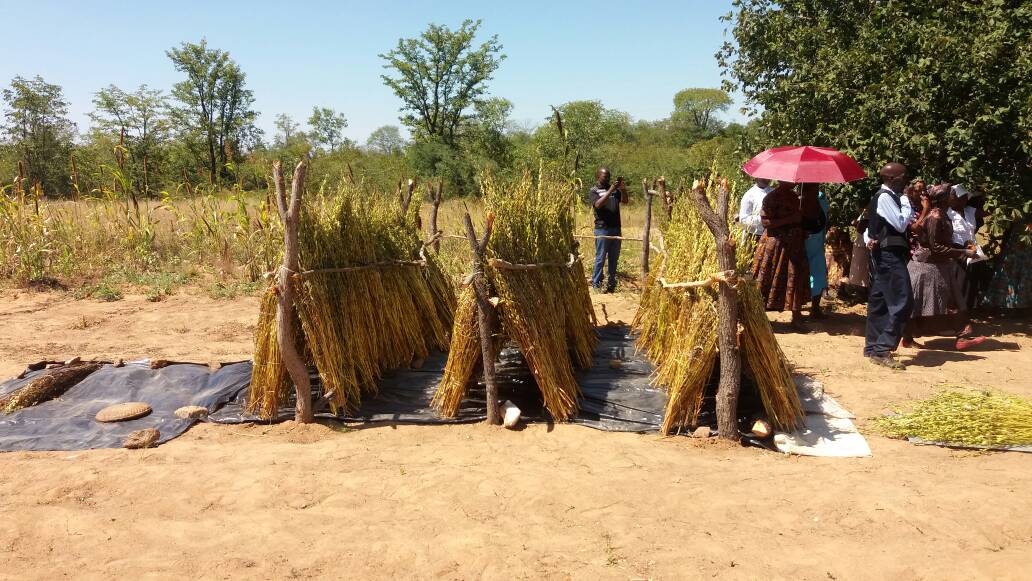
Learning Now, Scaling Later

APT’s current focus is on building robust, context-sensitive approaches that can inform future scale. Learning from Mount Darwin is being used to:
- Refine programme design and delivery
- Strengthen partnerships with donors, research institutions, and government
- Inform the potential replication of agroecological systems in other districts and contexts
Scaling is understood not as replication of activities, but as the transfer of principles, systems, and institutional arrangements that support lasting change.
Continuity and Change
APT’s current agroecological direction builds on more than a decade of experience in market systems development, enterprise facilitation, and resilience programming. The organisation’s evolution reflects continuity of purpose — ensuring that no smallholder farmer suffers the indignity of poverty — combined with a strategic shift in how that purpose is pursued.