Creating Dignified Livelihoods Through Agroecology and Inclusive Markets
Agricultural Partnerships for Transformation works to ensure that no smallholder farmer suffers the indignity of poverty by addressing the root causes of rural vulnerability. We do this by combining agroecology, inclusive market development, and enterprise facilitation within a coherent, systems-based approach.
Our work recognises that sustainable livelihoods depend on healthy ecosystems, functional markets, appropriate finance, and strong local institutions. We therefore focus on creating the conditions that allow smallholder farmers to earn reliable incomes with dignity, while strengthening resilience and restoring natural resources.
Our Agroecological Approach
Agroecology provides the organising framework for APT’s work. We align our interventions with the 13 agroecological principles developed by the High Level Panel of Experts (HLPE), as articulated by the Agroecology Fund.
These principles guide how we design programmes, engage partners, and assess outcomes. They ensure that productivity, resilience, equity, and sustainability are addressed together rather than in isolation.
The HLPE Agroecology Principles We Apply
APT’s work is guided by the following principles:
- Recycling
- Input reduction
- Soil health
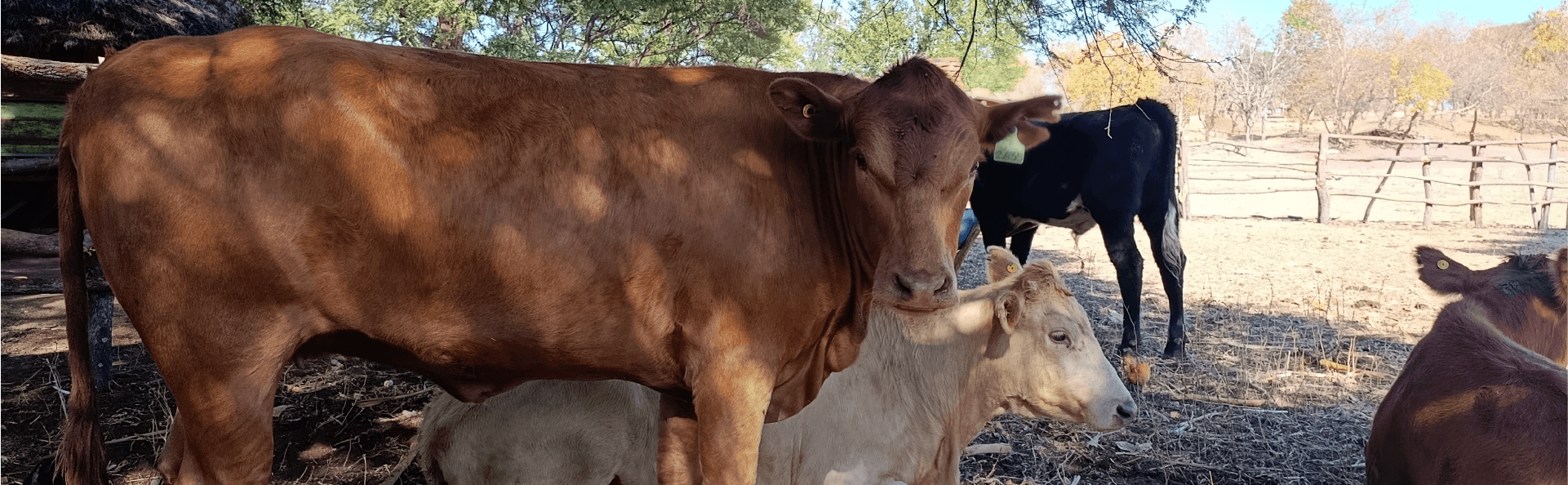
- Animal health
- Biodiversity
- Synergy
- Economic diversification
- Co-creation of knowledge
- Social values and diets
- Fairness
- Connectivity
- Land and natural resource governance
- Participation
Rather than applying these principles as a checklist, APT integrates them across farming systems, value chains, and market relationships to support lasting transformation.
How We Work in Practice
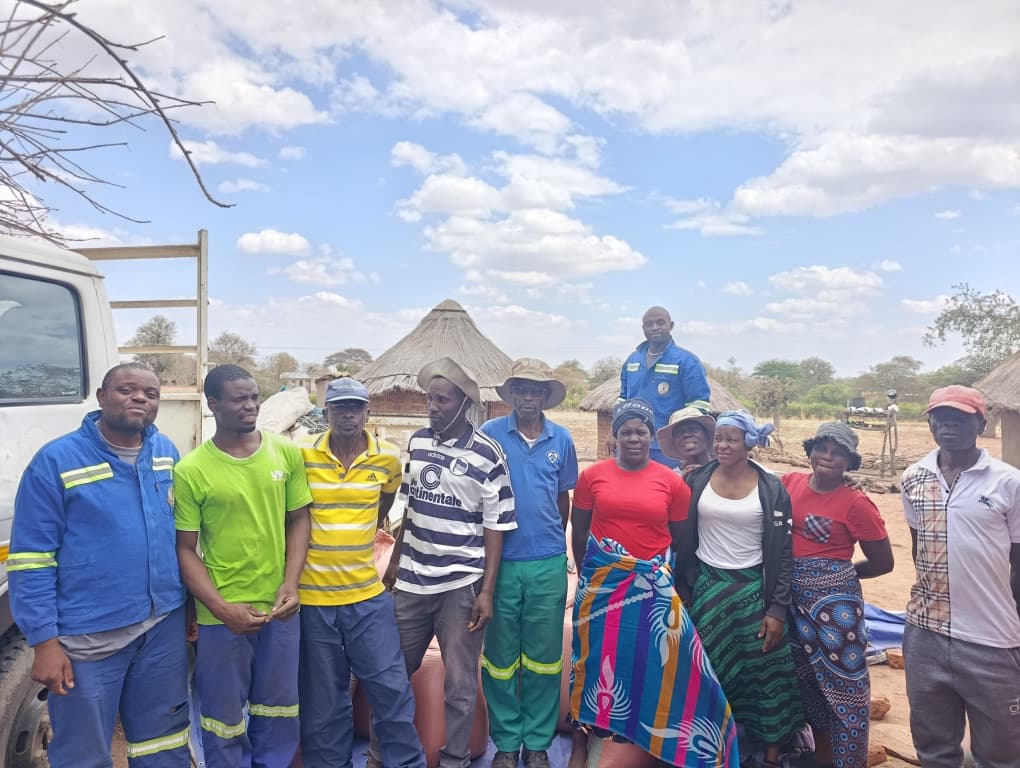
APT works deliberately across multiple levels of the agricultural system, recognising that sustainable change requires alignment between policy, markets, institutions, and farmer-level practice.
We engage at both national and district levels, while maintaining a strong presence at community level. This allows us to translate high-level strategies and principles into practical, locally grounded action — and to feed learning from the field back into policy and system design.
Our approach reflects agroecological transition thinking: change happens over time, across scales, and through the interaction of multiple actors rather than through isolated interventions.
Working Across Agricultural Systems

WHAT WE DO
National and Sector Level
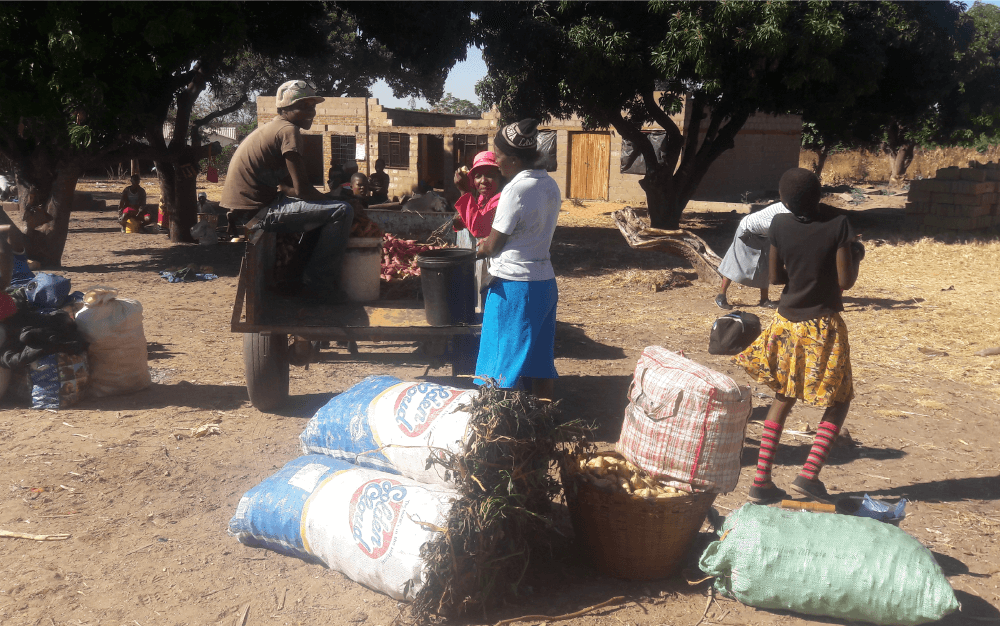
At national and sector level, APT engages with government, research institutions, private-sector bodies, and development partners to:
- Contribute to policy dialogue and strategic frameworks
- Align programmes with national priorities and evidence
- Support enabling environments for agroecology and inclusive markets
WHAT WE DO
District and Local Market Systems
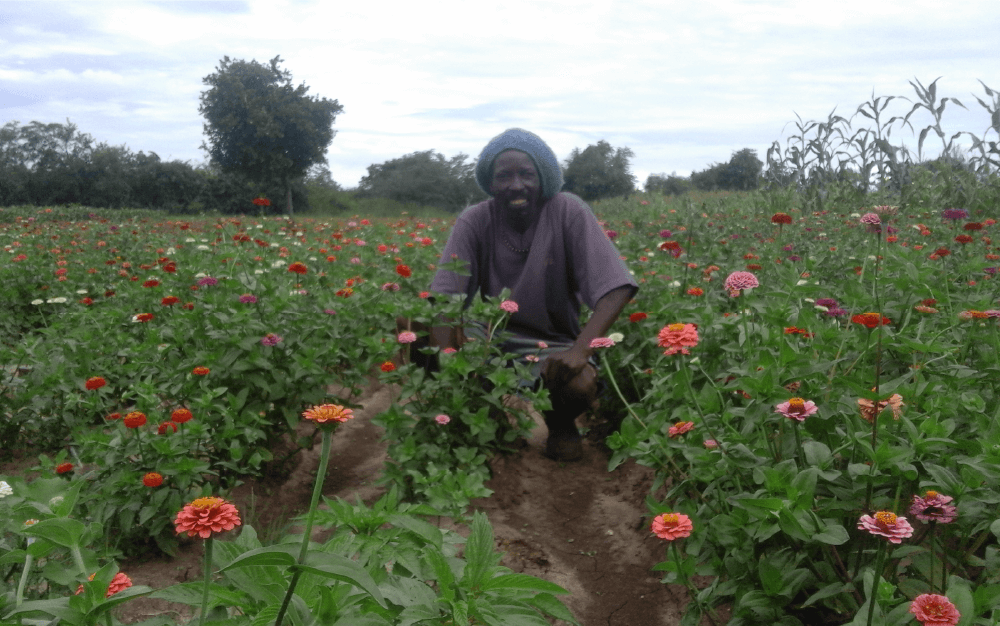
At district level, APT works to strengthen functional market systems by:
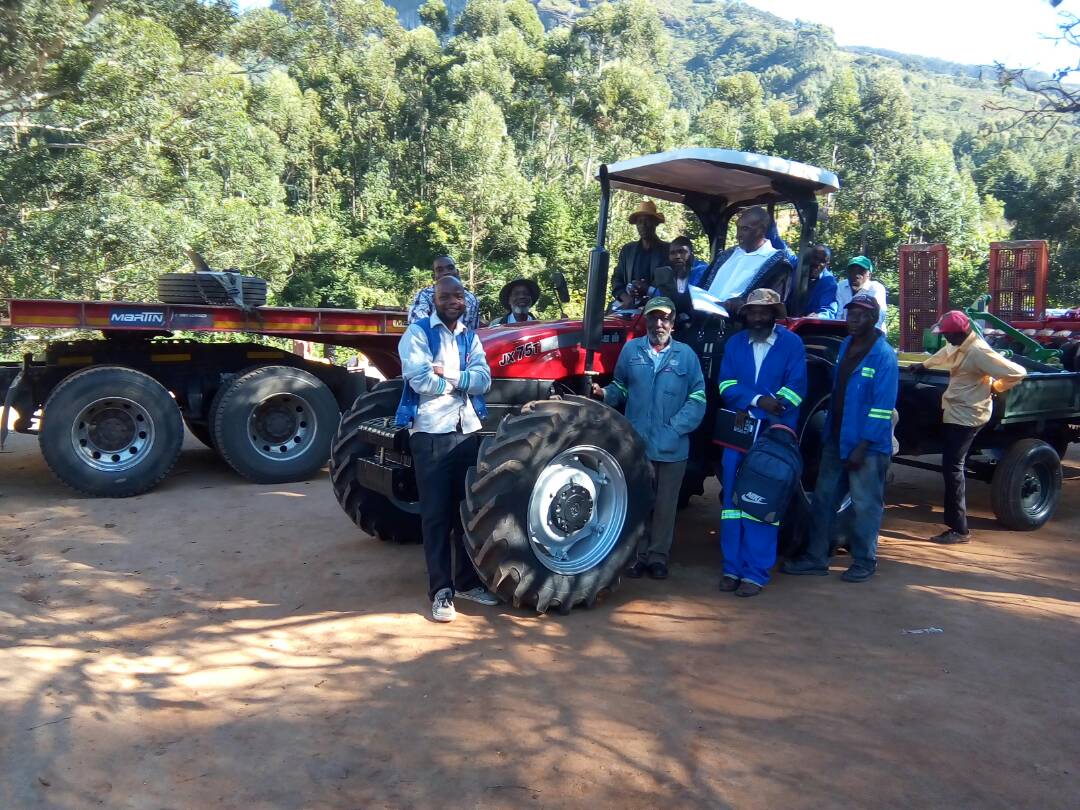
- Supporting coordination among local market actors
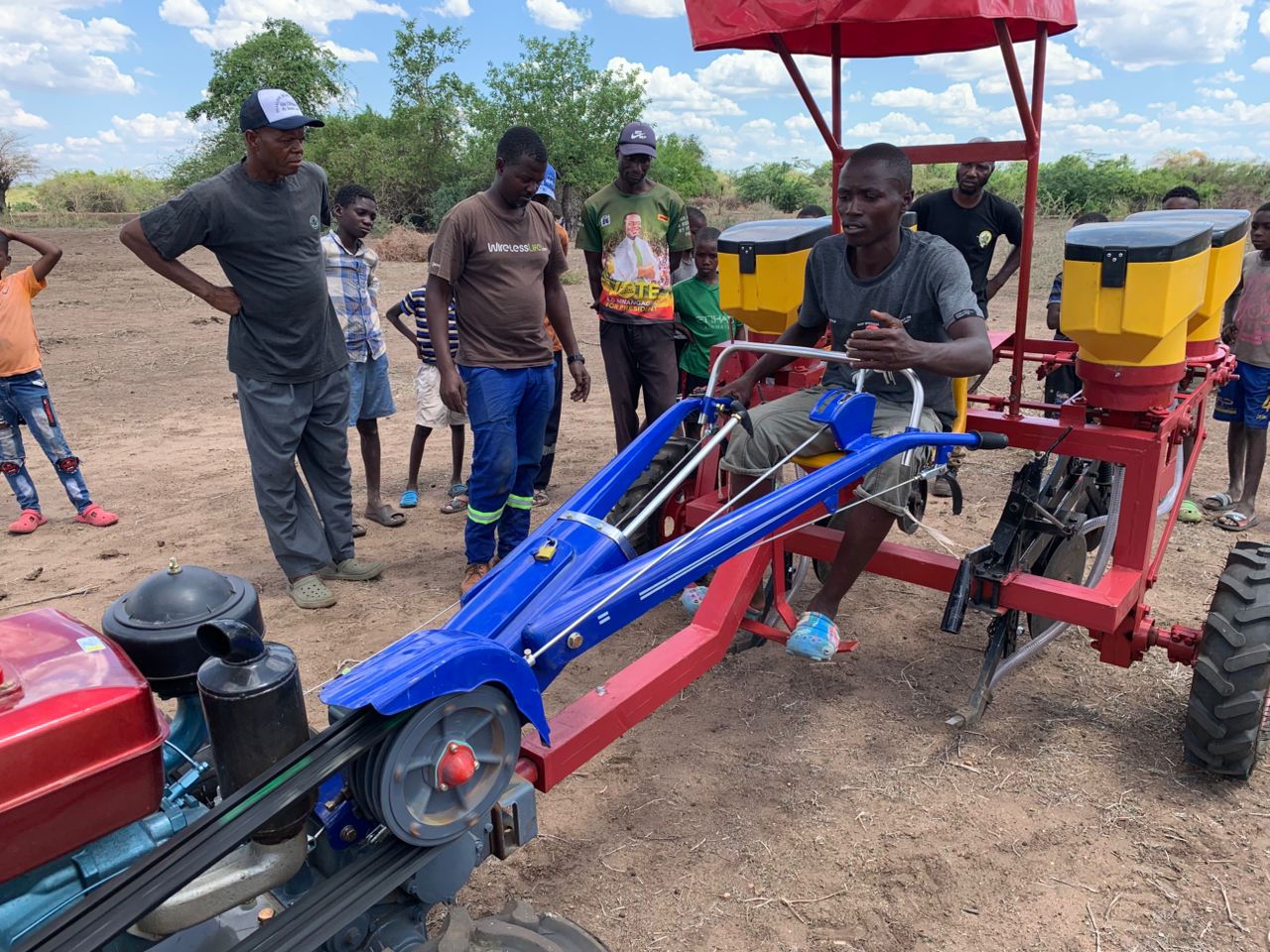
- Developing locally appropriate enterprise and service models
- Strengthening relationships between farmers, enterprises, and institutions
WHAT WE DO
Community and Farmer Level
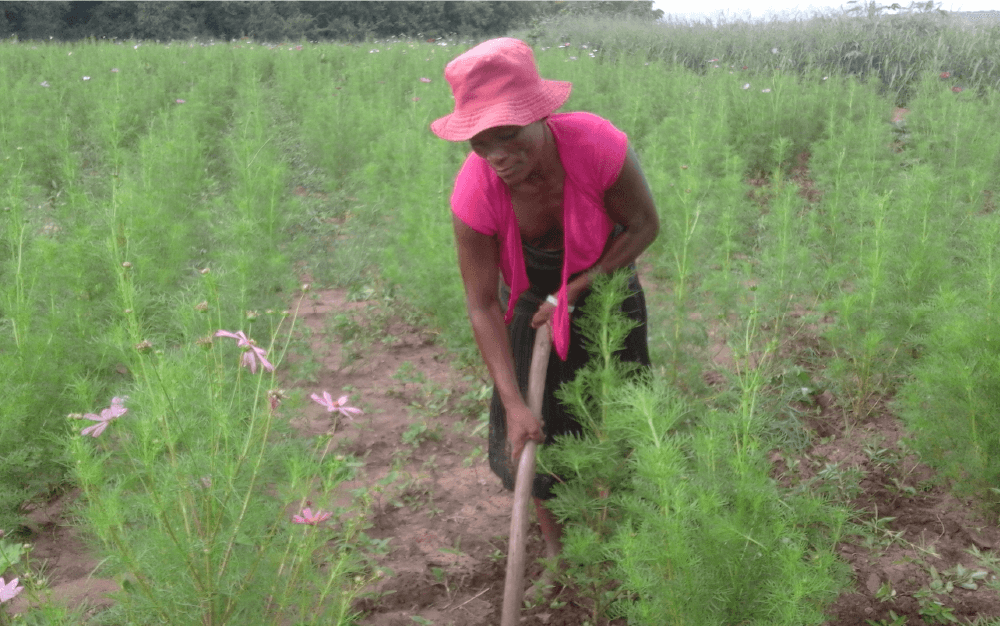
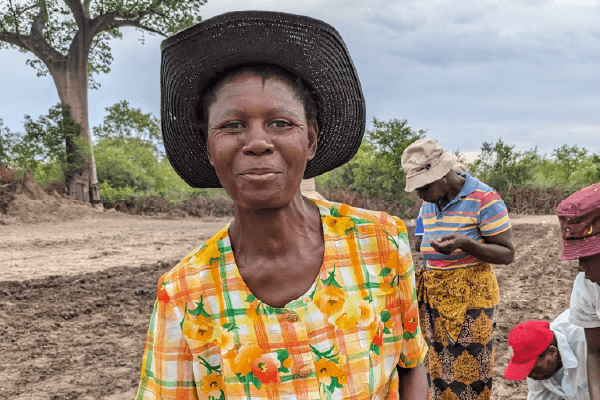
At community level, APT works directly with smallholder farmers and farmer groups to:
- Apply agroecological principles in locally relevant ways
- Strengthen skills, organisation, and agency
- Support farmer-led enterprises and collective action
Integrating Agroecology, Markets, and Enterprises
OUR APPROACH
Agroecology and Resilience
We support farming systems that restore soil health, biodiversity, and animal health while reducing dependence on costly external inputs. This strengthens resilience to climate and market shocks.
OUR APPROACH
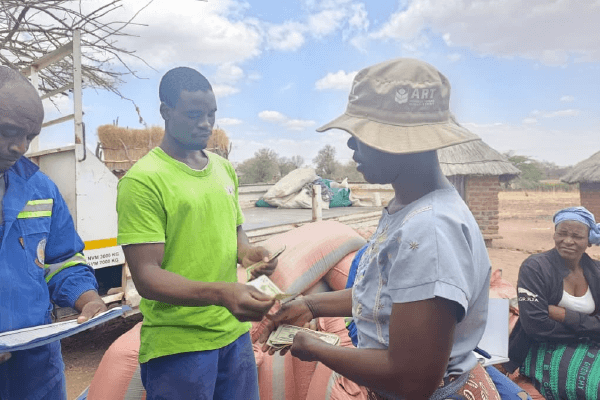
Inclusive Markets and Finance
We facilitate access to fair markets, services, and finance by working with both national and local market actors to develop inclusive, viable business models.
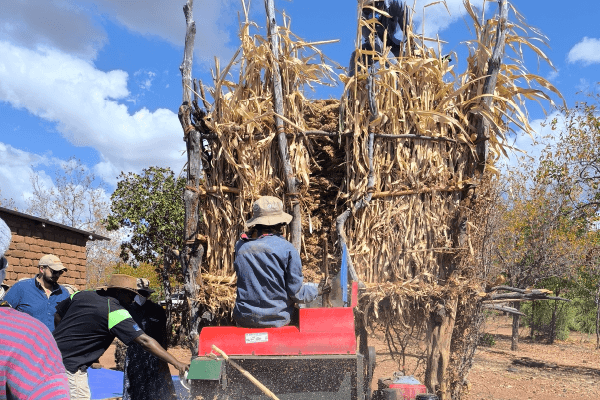
OUR APPROACH
Long-Term Systems Change
APT supports locally rooted enterprises and institutions that deliver essential services and enable market systems to function beyond the life of individual projects.
Our Evolution as an Organisation
Over more than a decade, APT’s work has evolved in response to learning, context, and emerging evidence.
Our earlier programmes focused on inclusive market development, enterprise facilitation, and resilience building. While many of these interventions aligned with what are now recognised as agroecological principles, they were not explicitly framed as agroecology at the time.
In recent years, APT has intentionally adopted agroecology as an explicit organising framework, informed by global evidence, field experience, and the growing urgency of climate and ecological challenges. This shift reflects a deepening of our systems approach rather than a departure from our core mission.
Today, agroecology provides the lens through which we design new programmes, assess impact, and engage partners — while building on the strengths and lessons of our earlier work.
How This Restores Dignity
By combining agroecology with inclusive markets and enterprise development, APT helps smallholder farmers to:
- Reduce risk and vulnerability
- Increase and stabilise incomes
- Strengthen food and nutrition security
- Restore natural resources
- Build agency and bargaining power within markets
This integrated approach is central to restoring dignity and creating sustainable pathways out of poverty.